
Population: 500
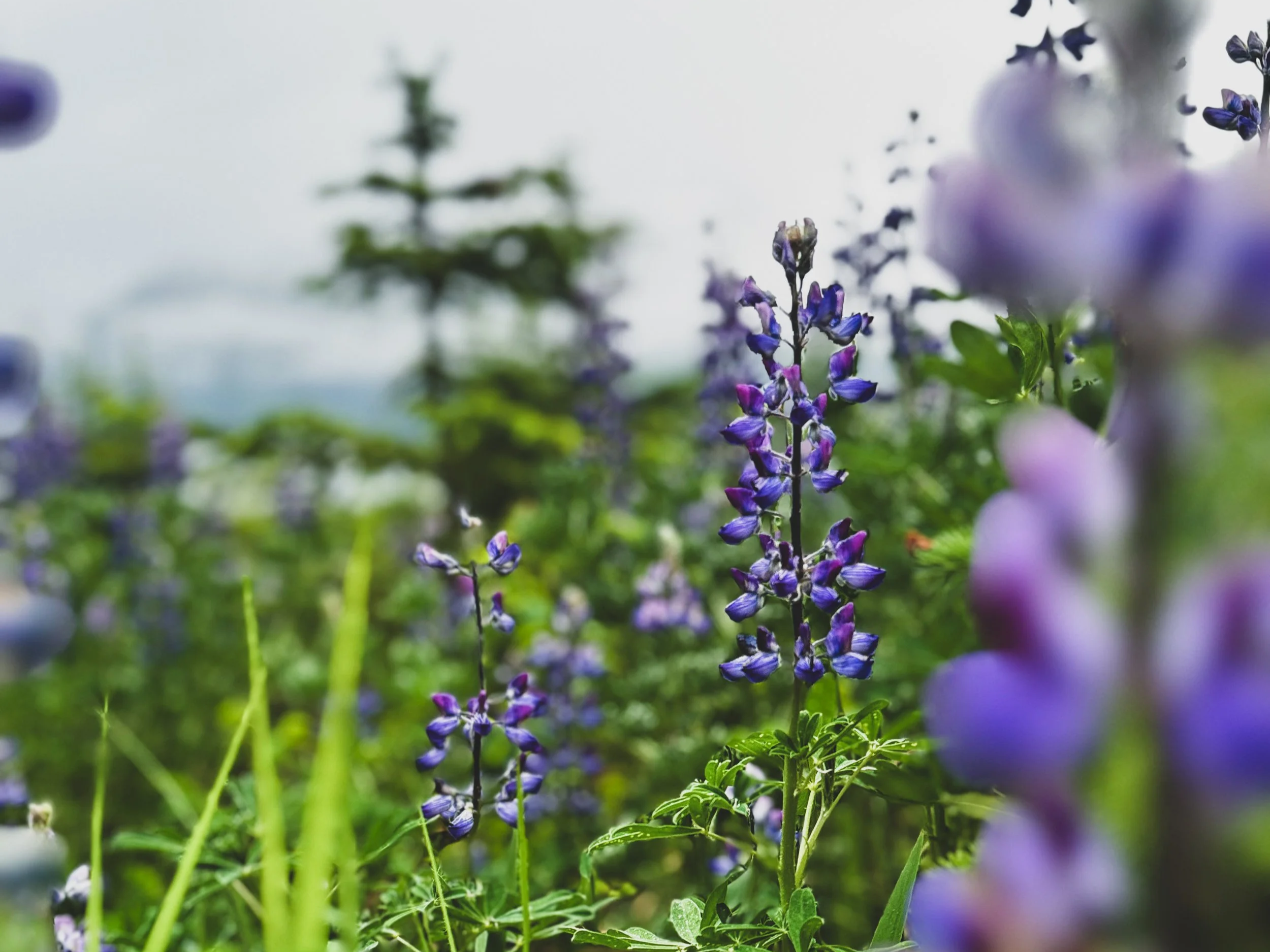
Chilkat Inlet
Day 30.
4,754km travelled.
10 fingers still intact.
There's something to be said about small towns. And when I say small, I mean really small. A population of around 500, or a little less. When we drive through, my first thought is always the same: do people keep busy here? What do they do in winter? Each small town we've visited has felt quite empty at first glance, but after a day you begin to experience a bit more, and a bit more, and sure enough, you see a bit of the community. And it's comfortable and cozy.
Week 4: Atlin, Carcross & Skagway
Atlin is one of these towns. With only two rows of streets, appropriately named 2nd and 3rd, this little lakeside town feels like you've gone back in time. Each building has a lot of character, from a somewhat old-fashioned but fancy-looking French restaurant, to an ancient, 50s-looking theatre. The town faces a dramatic backdrop of Atlin Mountain, with sloping hillsides that get dramatically steeper as you reach the peak. We were fortunate to see them on a clear day, dusted with snow, and the contrast with the vivid blue of the lake gave everything a sense of magnitude you wouldn't get at any other time of year.
The town of Carcross is similar, but even smaller. Unlike Atlin, which feels historic and unchanged, Carcross has developed a small tourist-focused boardwalk with about six gift shops, a café, and a bike store. This portion of the town is very modern, and a polar opposite to the rest of the town, which is anchored by a general store dating back to the early 1900s.
We heard the biking in Carcross was good, and the rumours are true. A small, very well-built trail network sits at the base of Montana Mountain, originally built in 2006 by a group of teenage First Nations kids through a youth program called Singletrack to Success. The boys worked hard. The trails were fast, flowy, and fun without being overly technical. The kind of riding that puts a stupid grin on your face the whole time.
Skagway. What to say about Skagway. I have never witnessed a more touristy town, but I suppose that's what happens when the winter population spikes to around 3,000 employees in summer, all prepped and ready to support the onslaught of cruise ship passengers that descend on the town daily. When Tom and I first walked through, we were both a little overwhelmed. Not just people-watching, but people-listening (I love me a Southern accent!), paired with shops, sign-painted storefronts, and colourfully painted buildings. It's a delight for the eyes.
We heard that most of the shops in Skagway are owned by the cruise lines themselves, so very little money actually makes its way back into the town. Staying true to its gold-mining history, every second shop is a jewelry store. The residential streets, only a block over from the main strip, feel almost entirely empty by comparison. Come evening, Skagway transforms into a ghost town as everyone boards their Princess and leaves the port. When the passengers leave, the shops close too. Nothing is open after dinner. It's the strangest experience. Here's a town that feels like it exists entirely for visitors but barely exists at all once they're gone.
I got to talking with several staff throughout our two-day visit. It turns out almost everyone is on some version of a summer sabbatical: enjoying a relatively easy job for six months, then heading home to wherever home actually is. No one really lives here. It made me wonder what Skagway looks like in the depths of winter. Peaceful, certainly. Quiet, definitely. Lonely, probably. A town that can't really exist without its audience.
The same question followed me through Atlin, Carcross, and Stewart. These tiny communities with their small populations and their long winters, it must be hard. Without the distractions of a bigger city, with no new restaurant to try, no event to attend, you have to get creative. You have to lean on people. You have to make peace with stillness, which is something most of us have never actually practised. I can imagine there aren't many rules when everyone knows your name and all there is to do is sled and backcountry ski. How nice, yes, but also how confronting. To live somewhere like that, you have to really want the life you've chosen. There's no noise to hide behind.
But maybe that's the point.
Seeing these smaller places has had me thinking about home. Squamish is busy. Too busy, as many of us would agree. This past year I wrote a piece for my business about minimalism in design, and lately I've been thinking about how the same principle applies to life. We in the Sea to Sky have full lives, no doubt. Perhaps too full. These small communities survive on connection, and living simply. Without too many people around, there's no external pressure to do more, no competition, no gravitational pull toward a more-is-more life. You're isolated, so you make do. And in making do, maybe you end up with exactly enough.
Week 5: Chilkat Inlet
After leaving Skagway we took a ferry (tiny, compared to the towering cruise ships docked alongside it) and crossed over to Haines. Only an hour on the water, but the difference between the two towns was astounding. It's remarkable what tourism can do to a place. Haines feels like the Sunshine Coast meets Tofino: a quiet, well-kept town by the sea, where neighbourhoods wind their way up the hillside into the forest in no particular order, each home a beautifully and humbly built log cabin with its own rustic flair. Oh, yes. My kind of place.
A delightful discovery of visiting Alaska has been Spruce Tip Ale! Apparently Captain Cook fed his sailors spruce to prevent scurvy. He was on to something. Both the Klondike Brewery in Skagway and the Haines Brewing Company make their own iteration, and neither disappoints. It's refreshing, with a subtle hint of pine. Very West Coast. We need it back home. My father would love it.
The Chilkat Inlet took our breath away. Literally. A far cry from the hordes of Skagway, the inlet is deeply secluded, offering a kind of tranquility I haven't quite felt yet on this trip. Though I'm a lake girl at heart, there's no denying the ocean offers something different. More movement, more mystery. When there's just as much going on beneath the surface as there is above, nature feels more alive, more layered, more bountiful. We spent an afternoon sitting under our awning listening to the birds and the rain, stealing glimpses of Rainbow Glacier hanging across the inlet, joined by about ten bald eagles doing what appeared to be exactly the same thing.
The salmon run is just about to begin, so we're hopeful bears might be next. Ten eagles at once felt plenty; I'll take one bear at a time, thanks.
I've been thinking about what it means to witness nature like this… untouched, thriving, protected. It doesn't need you. It doesn't know you're watching. The towns with half the people and twice the quiet have been pointing me towards this idea: less really is the point. The most generous thing a place can offer you is room to simply be in it. And when you're lucky enough to experience nature that way, it feels like a gift.
